The Influence of Austrian Public Holidays on Welcome Deal Strategies Employed by Online Promotion Affiliates
Austrian public holidays create predictable surges in online engagement that shape how affiliates structure welcome deals for casino and betting platforms, and data from industry tracking shows these periods drive measurable increases in new account registrations across the region. Observers note that operators adjust bonus structures, deposit matches, and free spin allocations to align with days when residents have extended time away from work, which in turn influences the timing and creative approach of affiliate campaigns.
Key Austrian Public Holidays and Observed Patterns
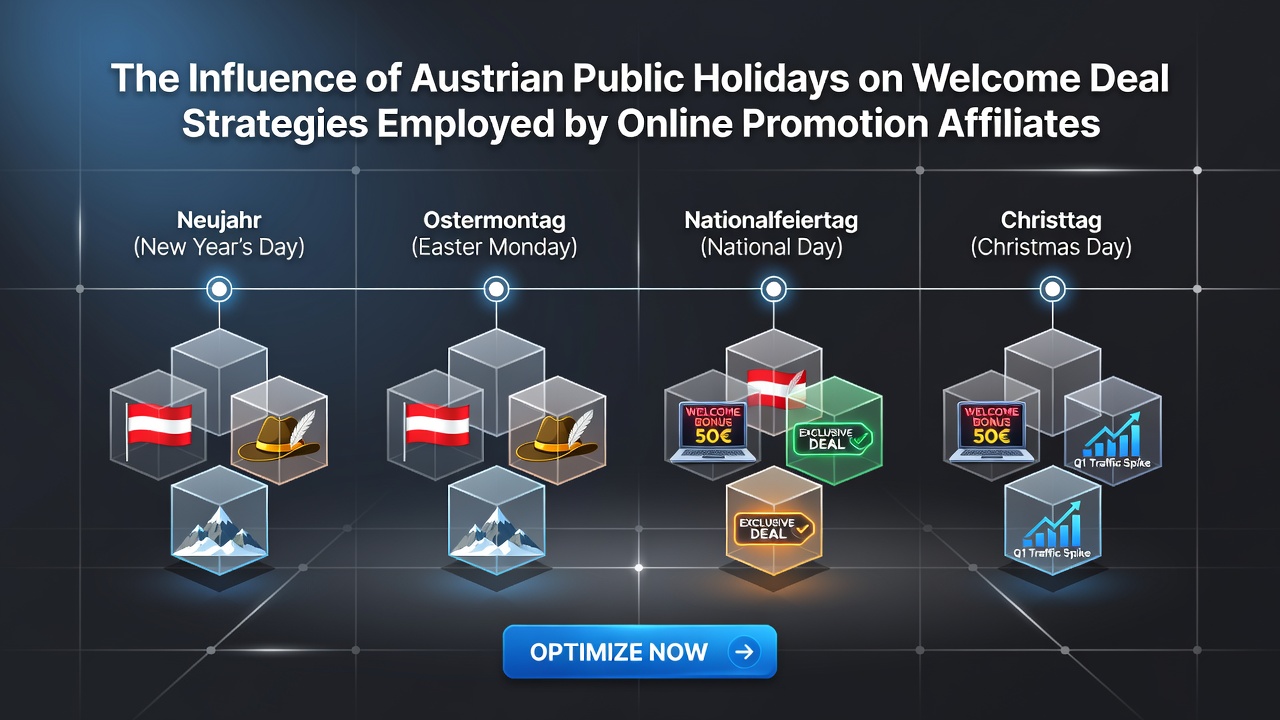
Public holidays such as New Year's Day, Easter Monday, Labor Day on May 1, Assumption Day on August 15, National Day on October 26, and the cluster around Christmas and St. Stephen's Day generate distinct windows for promotional activity. Affiliates coordinate welcome offers to launch several days before these dates so that new users can complete verification steps and claim bonuses while they are still at leisure. Research indicates that Christmas and New Year periods consistently produce the highest volume of sign-ups, while shorter holidays like Whit Monday and Corpus Christi see more targeted, shorter-duration campaigns focused on immediate play incentives.
Strategic Adjustments in Welcome Deal Structures
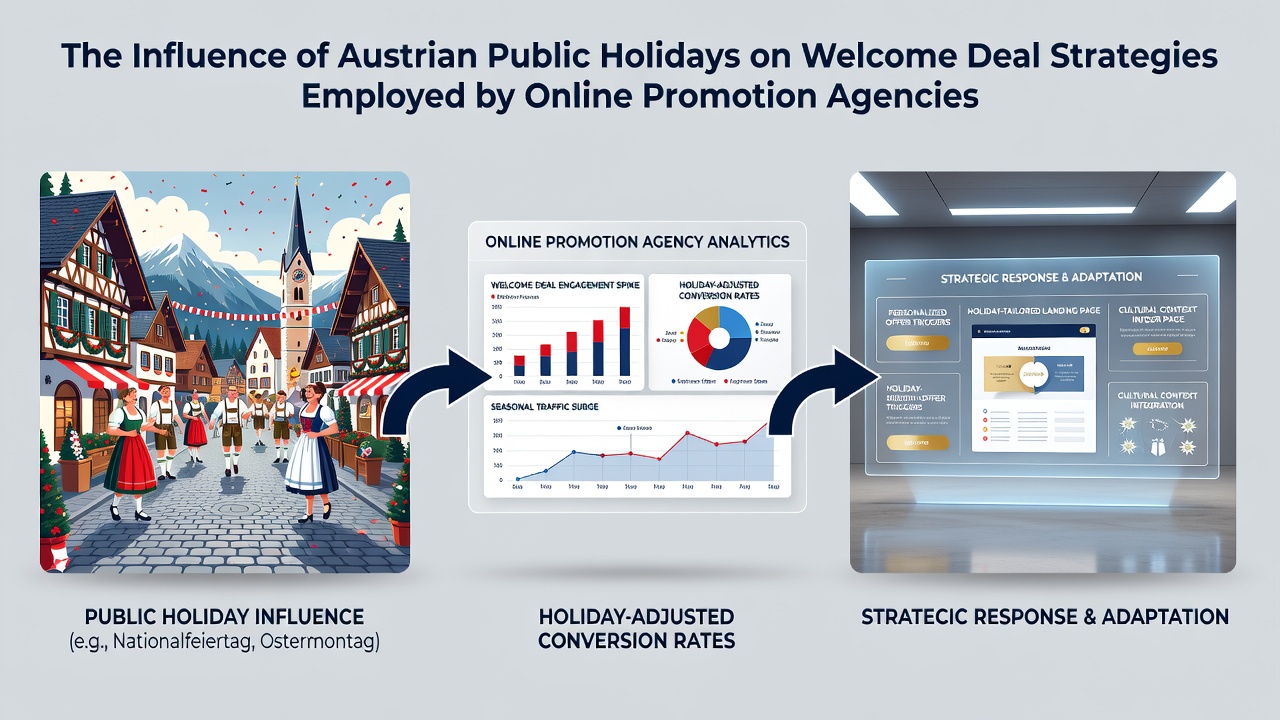
Affiliates modify welcome deal parameters around these holidays by increasing match percentages, extending validity periods for bonus wagering, and adding holiday-themed free spin packages. Data shows that during the two weeks leading into Christmas, average bonus values rise by noticeable margins compared with non-holiday months, and similar though smaller uplifts appear around Easter and National Day. Those who monitor traffic analytics report that landing pages featuring festive imagery and holiday-specific terms achieve higher conversion rates during these windows, while standard evergreen offers maintain steadier but lower performance outside peak periods.
October 2026 presents a particularly interesting case because National Day on October 26 falls on a Monday, creating a long weekend that affiliates are already mapping for extended welcome deal rollouts. Planning cycles that begin in mid-2025 incorporate these calendar details so that promotional assets, email sequences, and tracking links are ready well in advance. This forward scheduling allows networks to test creative variations and allocate budget toward higher-performing channels during the preceding weeks.
Regulatory and Platform Considerations
Austrian gambling regulations require clear terms on bonus wagering and eligibility, which means affiliates must ensure holiday-themed welcome deals remain compliant while still appearing attractive. Figures from Statistics Austria reveal that household internet usage spikes during holiday periods, giving platforms and their marketing partners more opportunities to reach potential new users within legal advertising windows. Affiliates therefore schedule content updates and push notifications to coincide with these usage peaks without violating placement restrictions around sensitive dates.
Industry reports compiled by the European Commission's digital economy unit further indicate that cross-border affiliate traffic into Austrian-facing sites follows similar holiday-driven rhythms, with welcome deal uptake concentrated in the days immediately surrounding public holidays. This pattern holds across multiple years of aggregated data and influences how networks allocate resources between evergreen campaigns and seasonal pushes.
Measurement and Optimization Practices
Tracking platforms record elevated click-through and registration metrics during holiday windows, prompting affiliates to refine segmentation so that returning users receive different offers from first-time players. Observers note that A/B testing of welcome deal messaging intensifies in the months before major holidays, with variants emphasizing time-limited bonuses performing strongly in the lead-up to Christmas and Easter. Post-holiday analysis then feeds into planning for the next cycle, creating a continuous feedback loop that ties calendar events directly to deal mechanics.
Conclusion
Austrian public holidays function as reliable anchors for welcome deal timing, and affiliates who integrate these dates into their planning calendars demonstrate consistent alignment with observed user behavior patterns. The interplay between fixed national holidays and promotional strategy continues to evolve as data collection tools grow more precise, yet the underlying connection between leisure time and new account activity remains a central driver of campaign scheduling across the affiliate sector.