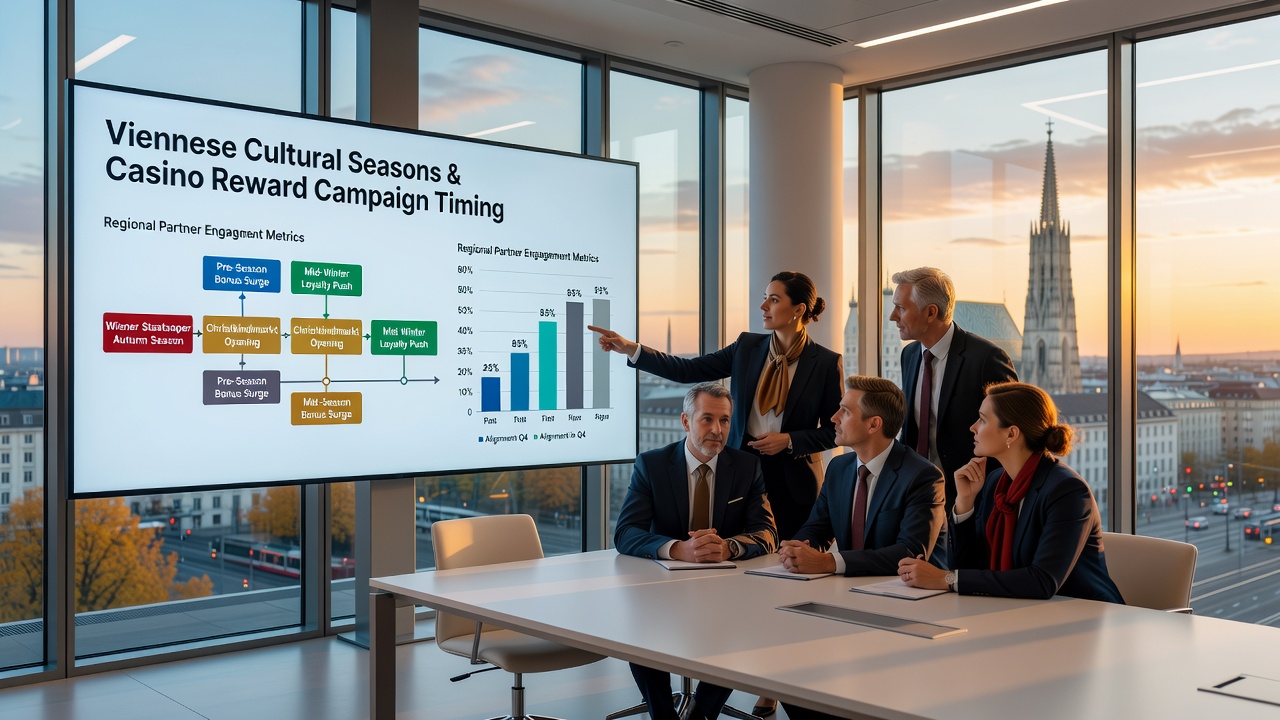
How Viennese Cultural Seasons Shape the Timing of Casino Reward Campaigns Handled by Regional Marketing Partners
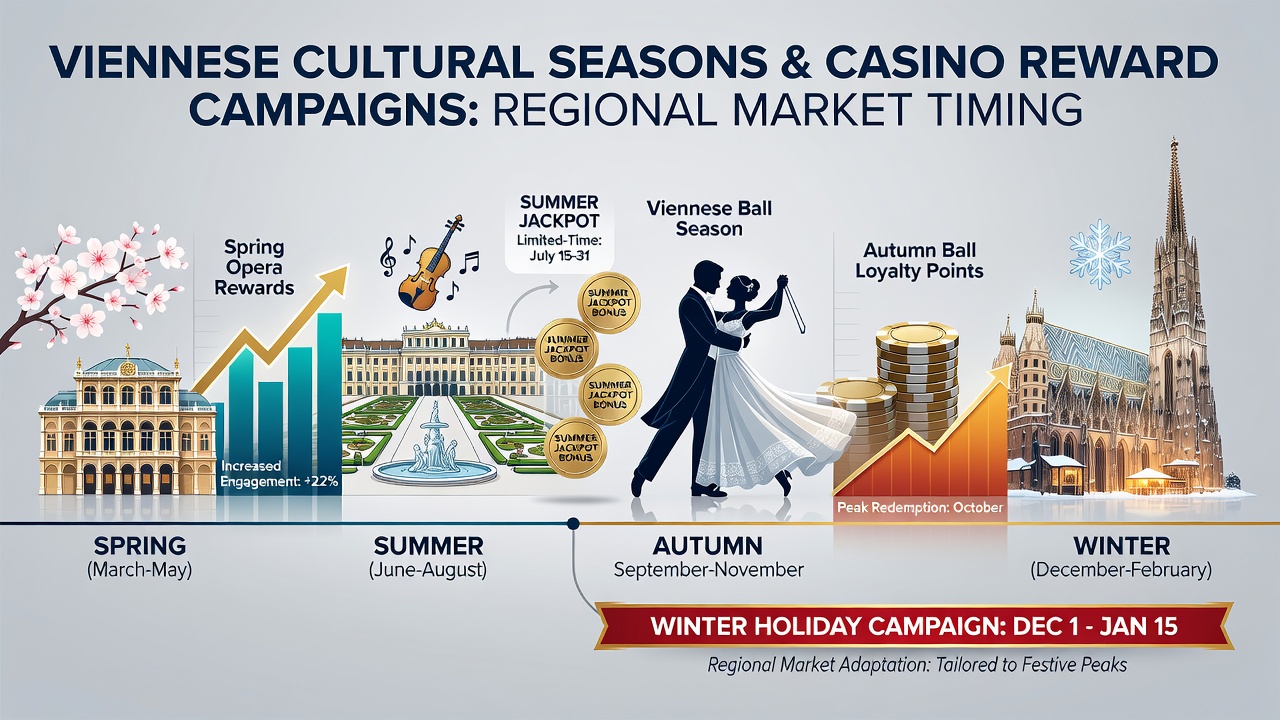
Observers note that Vienna's annual cultural calendar exerts measurable influence over when regional marketing partners launch casino reward campaigns, with timing decisions tied directly to tourist inflows and local event schedules rather than arbitrary corporate calendars. The city's ball season runs from November through February while the opera and concert seasons extend from September into June, and these periods correlate with documented spikes in visitor numbers according to data compiled by the Austrian National Tourist Office. Regional partners responsible for distributing rewards such as deposit bonuses and free spin offers adjust activation dates to coincide with these peaks because historical visitor statistics show concentrated demand during culturally significant weeks.
September marks the traditional start of the new cultural season in Vienna, and in September 2026 several major institutions including the Vienna State Opera will reopen with premieres that draw international audiences. Marketing partners use this window to initiate campaigns because arrival data indicates an immediate rise in overnight stays that continues through the autumn months. Partners coordinate with casino operators to release targeted promotions that activate within 48 hours of key performances, ensuring rewards reach travelers who have already booked tickets through official channels.
Ball Season Alignment and Campaign Launch Windows
The Vienna Opera Ball in February serves as a focal point where regional marketing partners concentrate the largest single release of casino reward offers each year. Attendance figures exceed 5,000 guests with millions more viewing the broadcast, and partners time bonus activations to begin the week preceding the event because flight and hotel booking data reveals corresponding surges in short-stay visitors. Campaigns running through these weeks incorporate eligibility requirements tied to specific Austrian IP addresses or local payment methods to comply with regional distribution rules.
Partners segment their reward structures according to the three distinct phases of ball season: the pre-ball build-up in December and January, the event week itself, and the post-ball wind-down that extends into early March. Each phase receives different reward values and validity periods because analysis of redemption rates shows higher engagement when offers match the spending patterns of attendees who arrive early versus those who extend their stay afterward.
Summer Festivals and Shoulder-Season Adjustments
Although the main opera season pauses during July and August, the city hosts multiple outdoor festivals including the Vienna Jazz Festival and various film events that maintain steady visitor traffic. Regional partners shift campaign focus during these months toward shorter-duration rewards that expire within seven days, matching the brief stays typical of festival-goers. Data from the Vienna Tourist Board shows average visit lengths drop to 3.2 nights during summer compared with 5.8 nights during ball season, prompting partners to adjust reward structures accordingly.
Marketing teams monitor ticket sales for these festivals through public APIs and adjust launch dates two weeks in advance, creating a rolling schedule that follows confirmed attendance numbers. This approach replaces fixed quarterly releases with event-driven timing that has become standard practice among partners operating in the Austrian market.
Regulatory Timing Requirements and Partner Coordination
Austrian gambling regulations require advance notification for certain promotional activities, and regional partners factor these notice periods into their cultural-season calendars. The requirement to submit campaign details at least 14 days before activation means partners must map cultural event dates onto regulatory timelines well in advance. Coordination between partners and casino operators occurs through shared project-management platforms where cultural calendars and regulatory deadlines appear on the same timeline.
Partners operating across multiple Austrian regions further refine timing based on local variations, such as the earlier start of Tyrolean cultural events compared with Vienna's schedule. These adjustments ensure reward campaigns remain compliant while maximizing relevance to visitors attending specific regional festivals.
Conclusion
Viennese cultural seasons provide the structural framework that regional marketing partners use to determine when casino reward campaigns activate and conclude. The alignment between event calendars, visitor statistics, and regulatory notice periods produces a predictable annual rhythm that partners follow when scheduling promotions. As new seasons unfold, including the September 2026 reopening cycle, partners continue to refine timing protocols based on updated attendance data and booking trends reported by official tourism sources. This process remains grounded in observable patterns rather than discretionary choices.